
Neuroplastic Pain, Defined
Many people assume that pain and illness must result from injury, disease, or other physical changes. But new research shows that persistent symptoms can be caused or prolonged by neural patterns in the brain. When your nervous system reacts to stress, trauma, emotions or other life challenges, it can generate real physical pain or illness as an alarm signal. These symptoms, which are called “neuroplastic,” can occur whether or not you have a documented medical diagnosis. Fortunately, scientifically validated treatments that retrain the brain to reverse these patterns can reduce or eliminate these symptoms.
Explore the Full Evidence Base
Every statistic on this page is drawn from peer-reviewed research, gathered in our annotated bibliography of roughly 250 studies, each linked to its source.
Neuroplastic symptoms affect 1 in 3 adults.
At least 1 in 3 U.S. adults experience neuroplastic symptoms — over 80 million Americans. (ATNS national survey; Clarke, Sondag, Goldberg & Gustafson, 2025.)
40% of primary-care patients have medically unexplained symptoms. (Haller, Cramer et al., 2015, Dtsch Arztebl Int)
In chronic spine pain, a neuroplastic cause is far more common than a structural one. (Schubiner H, Lowry WJ, Heule M, et al (2023). Application of a Clinical Approach to Diagnosing Primary Pain: Prevalence and Correlates of Primary Back and Neck Pain in a Community Physiatry Clinic. Journal of Pain, Online version. doi.org/10.1016/j.jpain.2023.09.019)
1.5 – 2 billion people worldwide live with chronic pain. (Goldberg DS, McGee SJ. BMC Public Health. 2011)
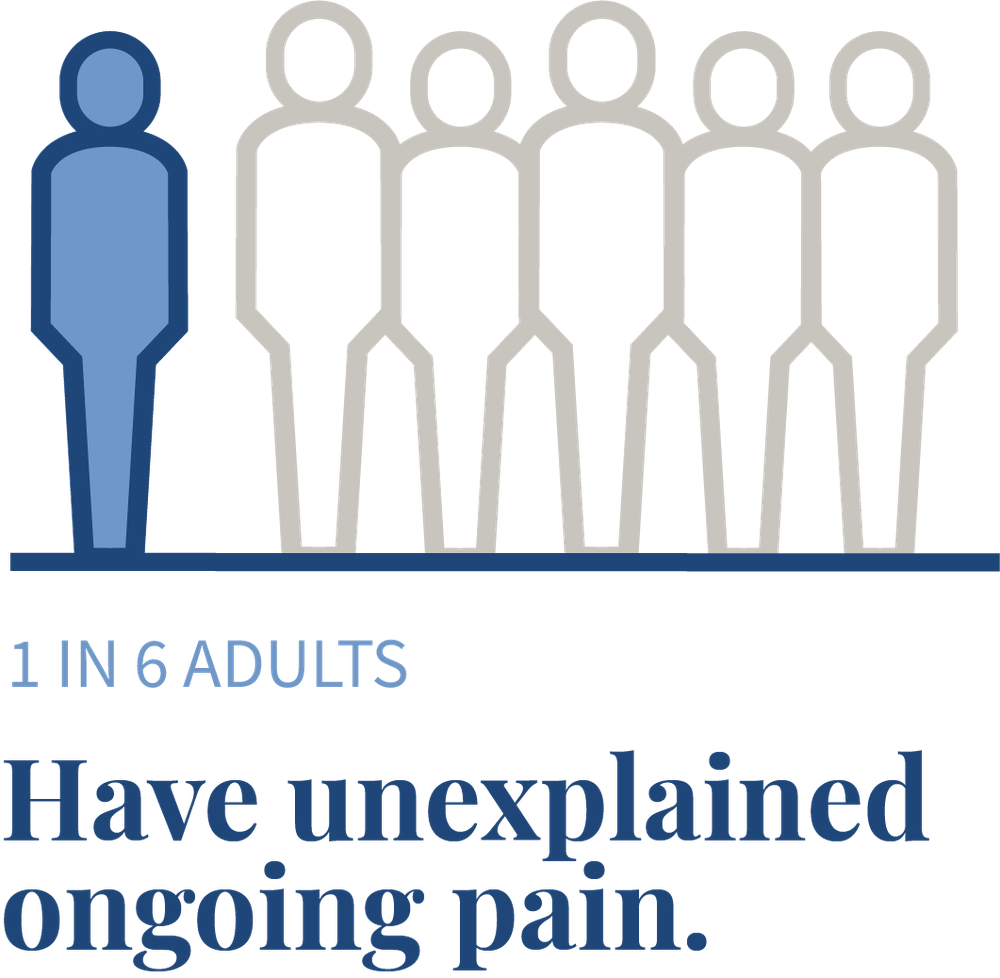
2026 ATNS national survey.
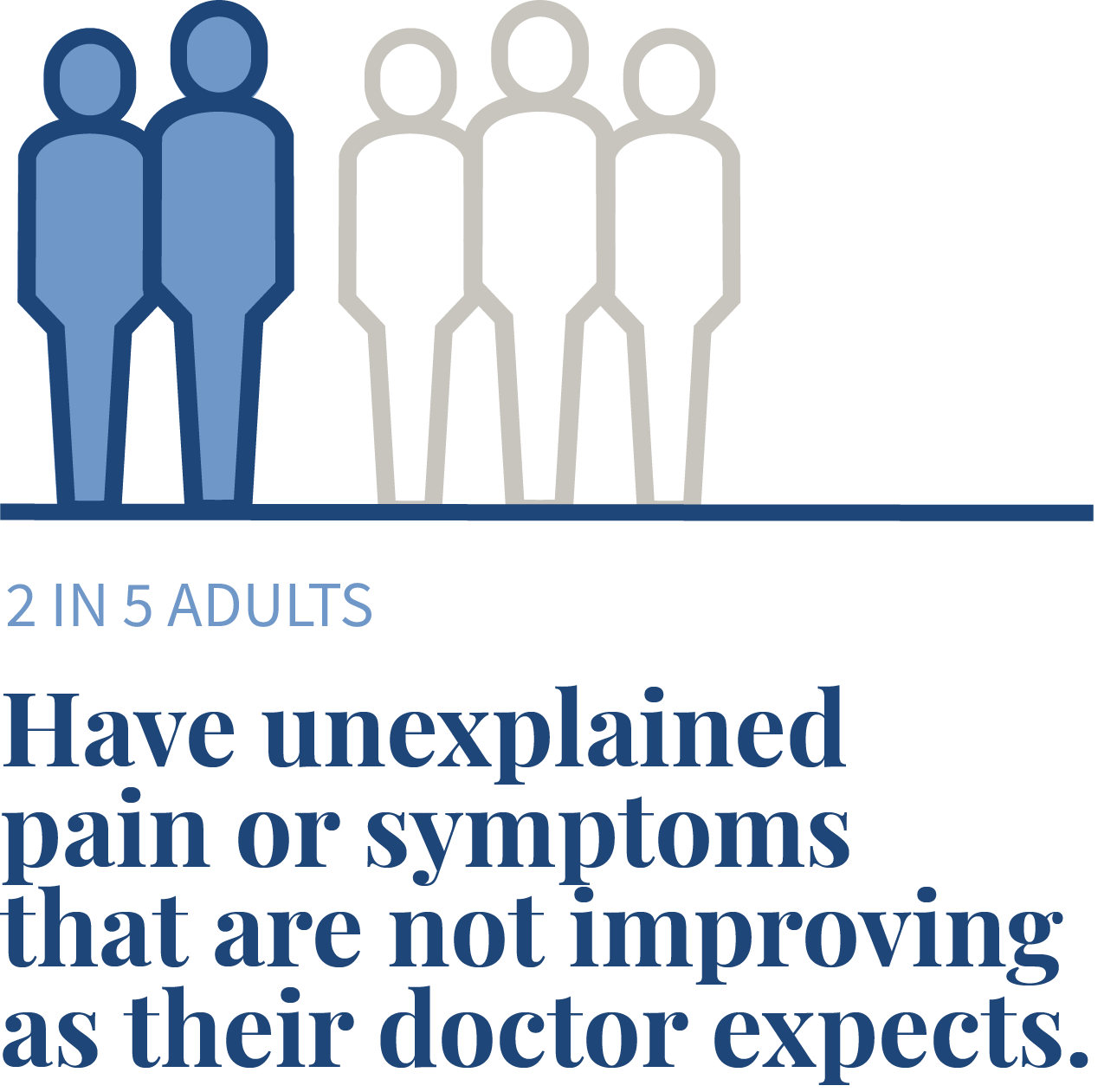
2026 ATNS national survey.
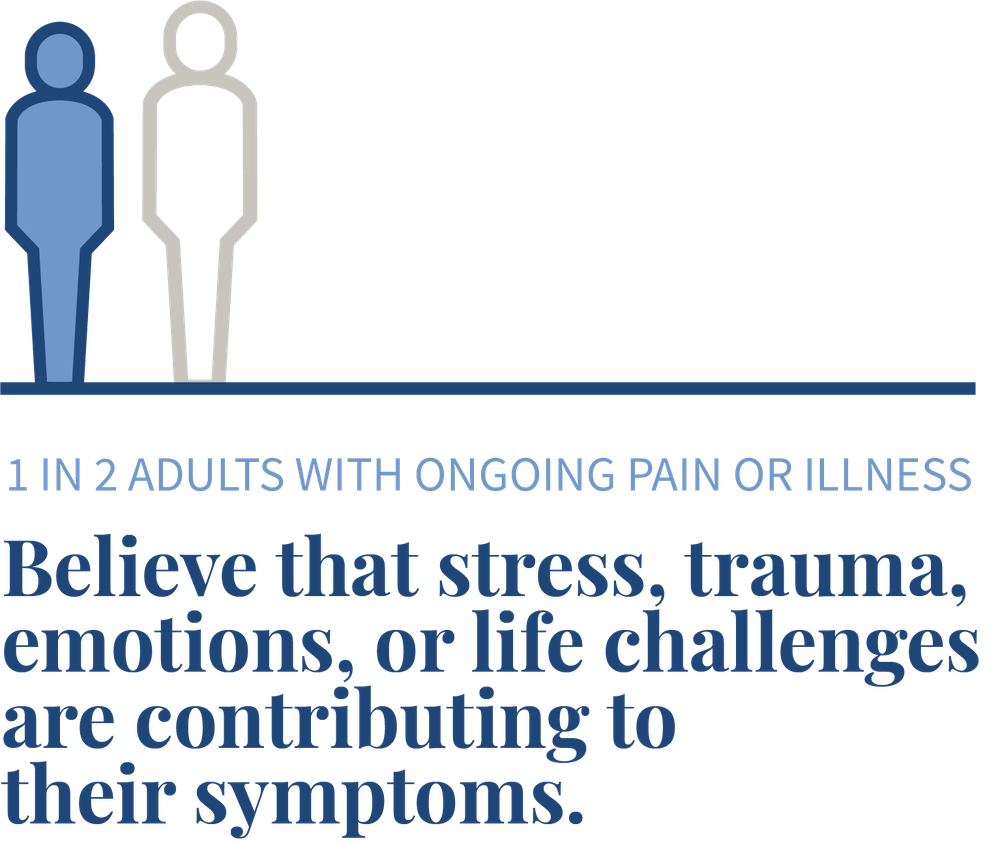
2026 ATNS national survey.
Most people recover with treatment.
In the Boulder back-pain study, two out of three people (66%) with chronic back pain were pain-free or nearly pain-free after Pain Reprocessing Therapy, vs. 20% on placebo — sustained at 5-year follow-up. (Ashar et al., 2021 & 2025, JAMA Psychiatry)
At UCLA, 63% of older male veterans with chronic musculoskeletal pain achieved at least 30% relief with EAET compared to only 17% treated with CBT. (Yarns et al., 2024, JAMA Netw Open)
In a chronic back-pain trial, 64% were pain-free after psychophysiologic symptom relief therapy at 26 weeks, vs. 25% with mindfulness and 17% with usual care. (Donnino et al., 2021, PAIN Reports)
Psychophysiologic symptom relief therapy also relieved long COVID symptoms in a trial at Harvard that achieved an 80% decrease in shortness of breath, a 77% decrease in pain interfering with activity, a 67% decrease in brain fog, and a 52% decrease in average pain. (Donnino et al., 2023, Mayo Clin Proc)
A $600 billion blind spot
Patients with neuroplastic conditions have approximately double the medical office and hospital expenses of patients without neuroplastic conditions. Adjusting for medical inflation gives an estimated cost in the U.S. in 2026 of $600 billion which includes body-directed treatments (supplements, medications, manual therapies, injections, devices, surgery) that offer no more than placebo value for neuroplastic symptoms. (Barsky AJ, et al. Arch Gen Psychiatry. 2005)
Beginning in the 1980s, our clinician Board Members have used neuroplastic recovery therapy to successfully treat over ten thousand patients whose symptoms were not explained by injury or disease. Practitioners in our Directory have done the same for thousands more. (ATNS)
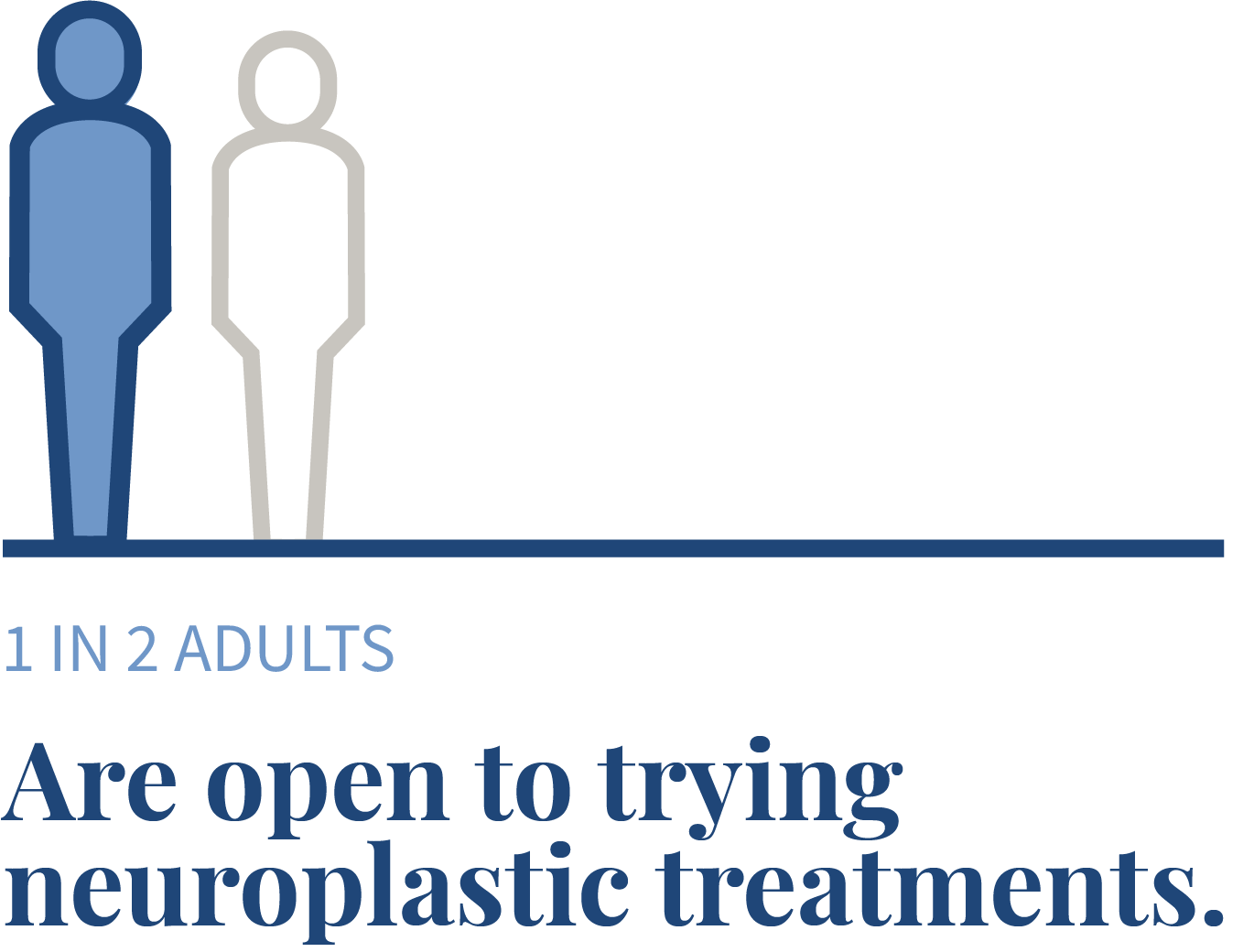
2026 ATNS national survey.
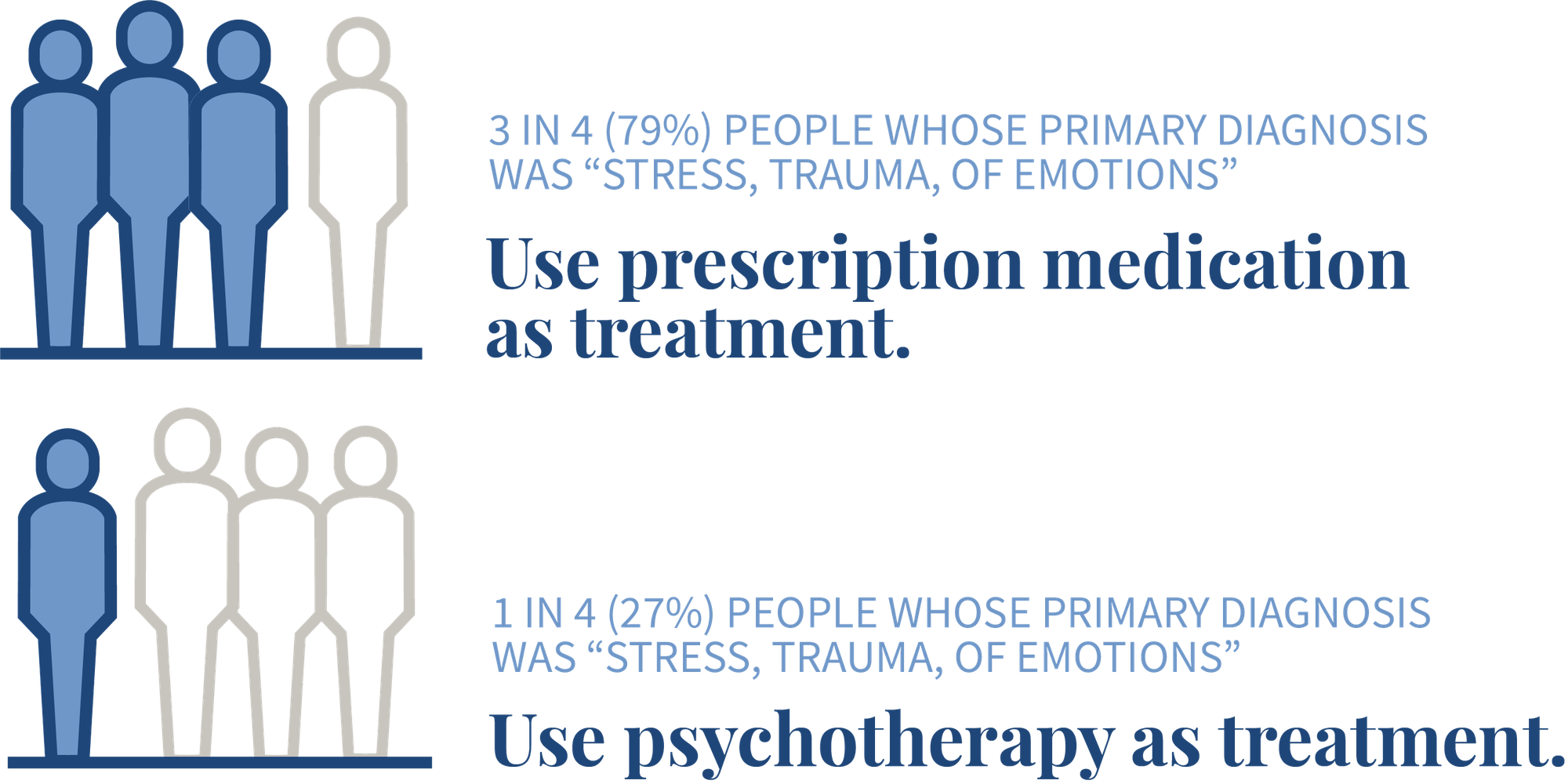
2026 ATNS national survey.
The most common symptoms
Among U.S. adults with ongoing pain or illness (n = 1,166). Respondents could select more than one.
- Pain in muscles, limbs, or joints — 53%
- Back or neck pain — 50%
- Fatigue — 32%
- Headaches or migraines — 27%
- Digestive or bowel problems — 18%
- Dizziness — 14%
- Chest, abdominal, pelvic, or bladder pain — 13%
- Visual or nerve abnormalities — 8%
- Long COVID — 2%
(Source: 2026 ATNS National Survey, in collaboration with XandY.)
About ATNS
The Association for the Treatment of Neuroplastic Symptoms (ATNS) is a 501(c)(3) nonprofit that educates the public, patients, and practitioners about the diagnosis and treatment of neuroplastic pain and illness. It is founded and led by volunteer clinicians.
For the press
Every statistic on this page is written to be copied and pasted with its citation already attached.
Press Contact
Monique Sondag
monique@neuroplastic.org
214-536-4319
Interviews
David Clarke, MD, and the ATNS Board are available upon request.

Download the press & brand kit
Logos (light and dark), brand colors and fonts, the correct name and URL (neuroplastic.org) and handle (@NeuroplasticOrg), the fact sheet, headshots, ready-to-share graphics, the Pain Science Paradigm Shift video, and the self-assessment link.
In the News
7 Ways to Reduce Fatigue
Naturally
Feb. 2026 · Read here
Chronic pain is surprisingly treatable — when patients focus on the brain
Oct. 2021 · Read here
A Patient’s Guide to Pain Management
Dec. 2025 · Read here