
Neuroplastic Recovery Treatment
How People Recover from Neuroplastic Symptoms
Most people with neuroplastic pain or illness are told to manage their stress and learn to live with their symptoms. There’s a better option. Neuroplastic recovery therapies treat the cause of the symptoms, the learned signals in the brain. Most patients are able to fully recover.
Medically Reviewed
Vanessa Blackstone, MSW
Medical Reviewer
This page is published by ATNS, a 501(c)(3) nonprofit led by volunteer clinicians.
Published: July 9, 2026 · Last updated: July 9, 2026
New to the science of neuroplastic symptoms? They’re real, physical symptoms produced by learned pathways in the brain and nervous system, not by damage in the body. Because those pathways can change, the symptoms can be reversed.
How neuroplastic recovery works
Neuroplastic recovery therapies retrain the specific brain pathways that produce physical symptoms. The nervous system can hold on to stress and strain that even healthy, capable people never notice, and it can keep generating symptoms long after the original cause has passed. The work retrains that response.
It isn’t about fixing something that’s wrong with you. People who develop these symptoms are at least as mentally strong as anyone else, but usually are carrying more stress than they recognize.
With a physician, therapist, coach, app, course, or book, most patients move through some version of these steps:
Understanding the diagnosis
recognizing that the cause is a learned brain pathway rather than damage in the body. For many patients, a clear and accurate explanation, often the first they’ve had, is the beginning of relief.
Reducing the threat response
as you learn the symptoms aren’t dangerous, the brain’s alarm begins to quiet, and you can gradually return to the activities you’ve avoided.
Recognizing the nervous system’s role
symptoms often track with stress and emotion the nervous system is holding, even for people who are fairly self-aware. Learning to notice and ease it is part of switching the symptoms off.
Addressing the patterns that keep the alarm on
easing the pressure, self-criticism, and tendency to put everyone else first that keep the nervous system on alert, and building self-compassion in their place.
Therapies we recommend
These are the two evidence-based therapies ATNS emphasizes, and both are backed by randomized controlled research trials.
Pain Reprocessing Therapy (PRT)
Teaches the brain to reinterpret pain as safe, reducing fear and switching off the danger response.
Emotional Awareness & Expression Therapy (EAET)
Helps people recognize and express the emotions and stress the nervous system has been carrying, which can keep symptoms switched on.
Other approaches, and where they fall short
You might have already tried other psychological or invasive medical treatments such as CBT, mindfulness, nerve blocks, or even surgery. A few provide limited relief for a while, but they don’t address the learned signals driving neuroplastic symptoms.
The evidence
Neuroplastic recovery therapies have been tested in randomized controlled trials, the highest standard of medical evidence.
In the Boulder back-pain study, two out of three people with years of chronic back pain were pain-free or nearly pain-free after Pain Reprocessing Therapy, compared with 20% on placebo, and the results largely held at five-year follow-up. (Ashar et al., 2021 & 2025, JAMA Psychiatry)
In a Harvard trial, 64% were pain-free after psychophysiologic symptom relief therapy, compared with 25% for mindfulness and 17% for usual care. (Donnino et al., 2021, PAIN Reports)
At UCLA, 63% of older male veterans achieved 30% pain relief compared to just 17% with cognitive behavioral therapy. (Yarns et al, 2024, JAMA Netw Open)
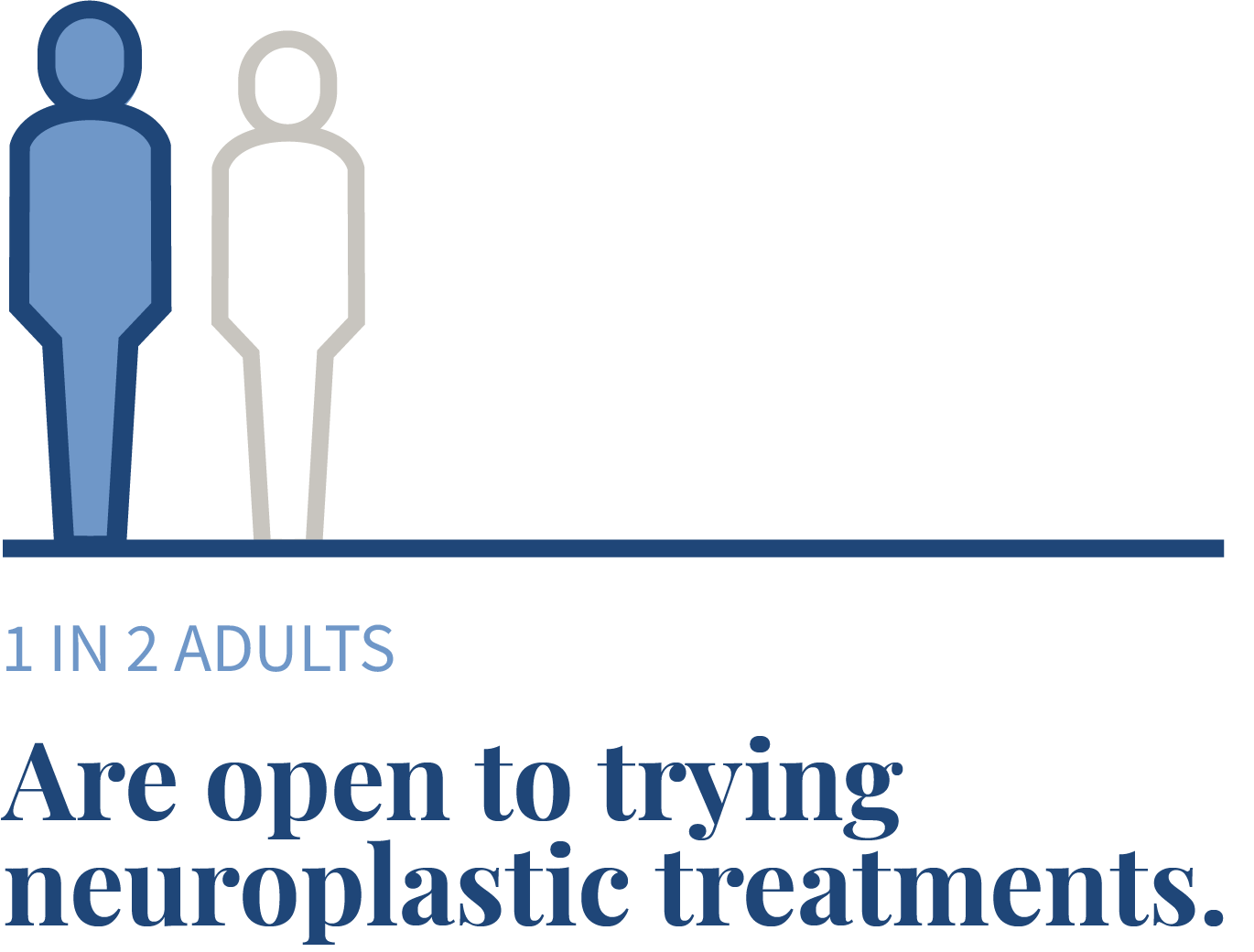
2026 ATNS national survey.
Common questions
How long does recovery take?
It varies. Some people notice improvement right away, while others need months. Usually this cannot be predicted in advance. It is normal to experience both progress and setbacks along the way.
Do I need a practitioner, or can I do this on my own?
Both paths work. Many people recover using free and low-cost resources on their own, like books, courses, podcasts, and apps. Others do better with a neuroplastic recovery practitioner guiding the process, especially when symptoms are severe, long-standing, or tied to difficult experiences. You can start on your own and add support if you need it.
Will it work for my condition?
Neuroplastic recovery therapies have helped people across a wide range of conditions, from back pain and migraines to fatigue, digestive issues, dizziness, and many more. They should be used after a medical clinician has ruled out structural disease, or when treatment is not helping as the clinician expected. Even when another condition is present, treating the neuroplastic component can bring meaningful relief.
What if I’ve already tried therapy?
This is more specific than other forms of counseling. It targets the brain and nervous-system patterns that generate physical symptoms, rather than working on mental health in general. In studies, this approach has outperformed standard psychological care for chronic symptoms by up to a factor of four.
Is it safe, and does it replace my current treatment?
These therapies are non-invasive and carry no medication or procedure risks. They’re designed to work alongside your medical care, not replace it. Recovery always begins with a clinician ruling out injury or disease, and any changes to existing treatment should be discussed with your provider.
Pick your path to recovery.
Self-Treatment Resources
Free, do-it-yourself tools, courses, books, and apps to begin on your own.
Membership and Community
Connect with others on the same path and access member-only support.