symptomatic.me is now neuroplastic.org. Same ATNS, new look.

How Americans Experience Neuroplastic Symptoms

Working with the research firm XandY, ATNS surveyed a nationally representative sample of U.S. adults about their pain or illness (if any) and beliefs about their cause. It is the most comprehensive look yet at the prevalence of neuroplastic symptoms and how people think about them.

The reports

Key findings

39% of adult Americans have pain or illness that either has no medical explanation or is not responding to treatment as expected

2026 ATNS national survey.

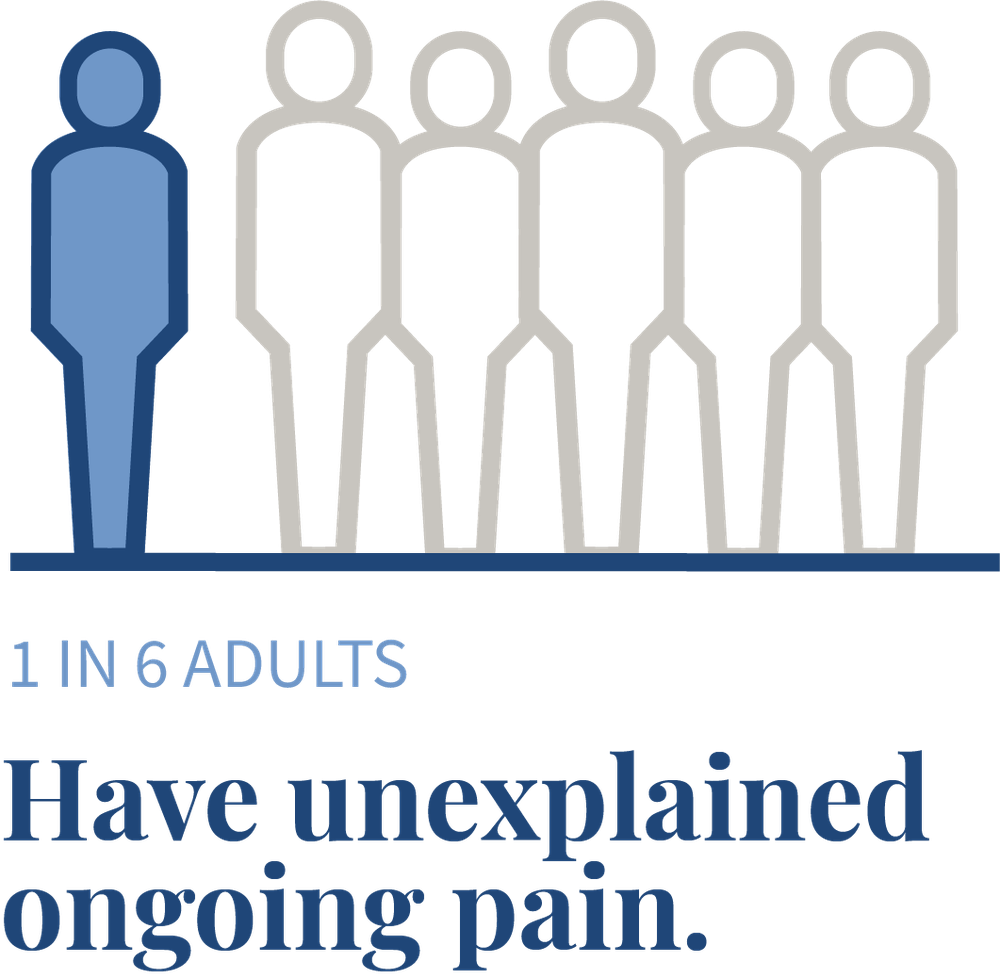
1 in 6 adults have unexplained ongoing pain

2026 ATNS national survey.

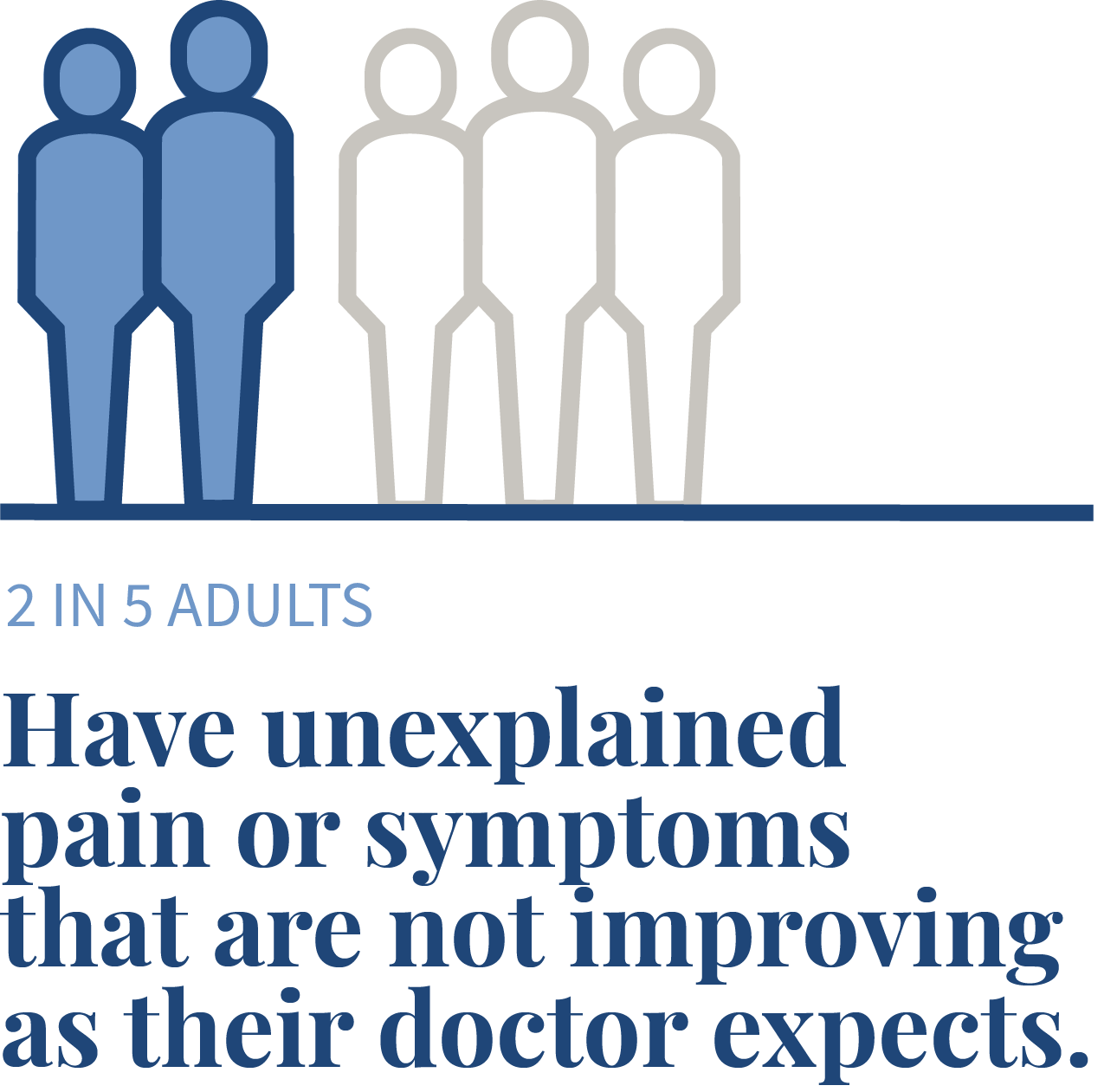
2 in 5 adults have unexplained pain or symptoms that are not improving as their doctor expects

2026 ATNS national survey.

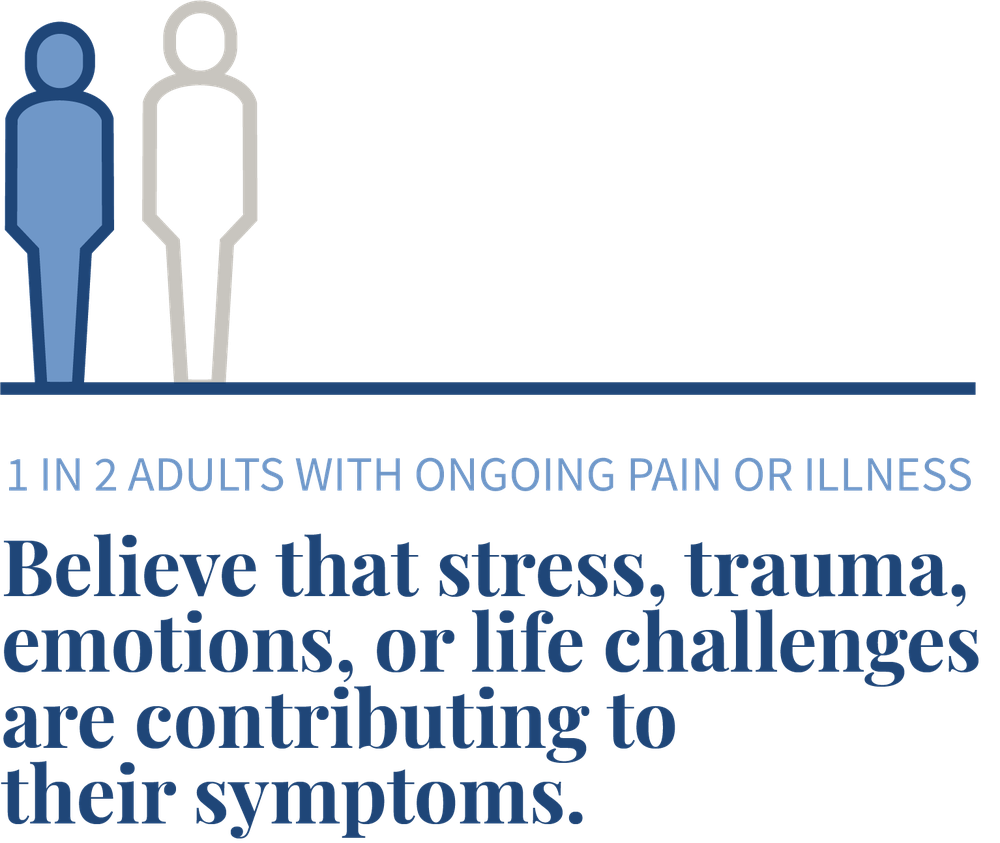
1 in 2 adults with ongoing pain or illness believe that stress, trauma, emotions, or life challenges are contributing to their symptoms

2026 ATNS national survey.

3 in 5 people with symptoms have at least two symptoms; 1 in 5 have four or more

2026 ATNS national survey.

Of those with current symptoms, 63% have been experiencing them for up to five years; 37% for more than five years

ATNS 2025 Survey, p. 22.

57% of the subgroup with a neuroplastic condition lack a diagnosis that points to a clear physical cause of their symptoms

ATNS 2025 Survey, p. 23.

Of the subgroup with a neuroplastic condition, 47% are definitely or probably willing to try neuroplastic treatment; only 20% say they likely would not

ATNS 2025 Survey, p. 28.

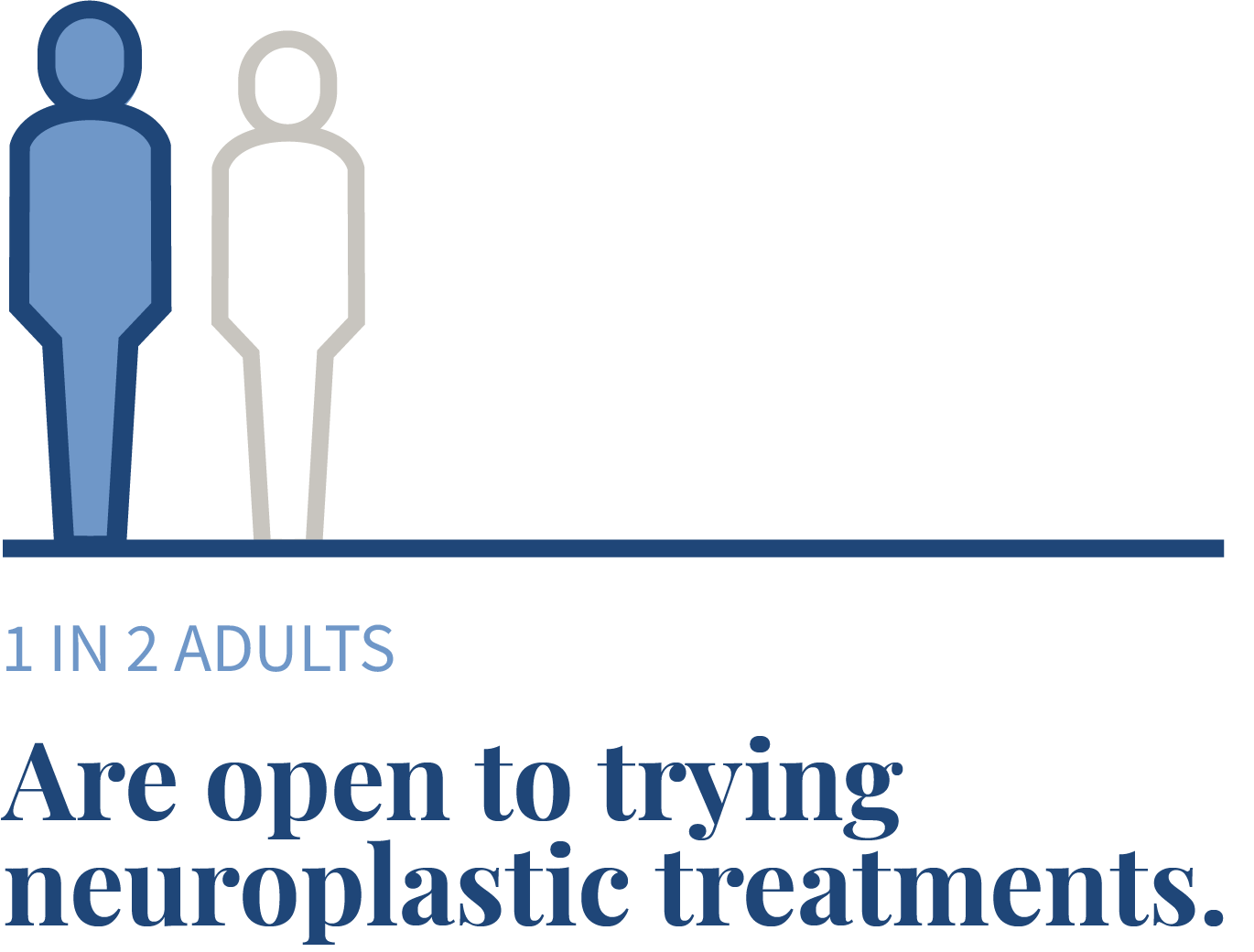
1 in 2 adults are open to trying neuroplastic treatments

2026 ATNS national survey.

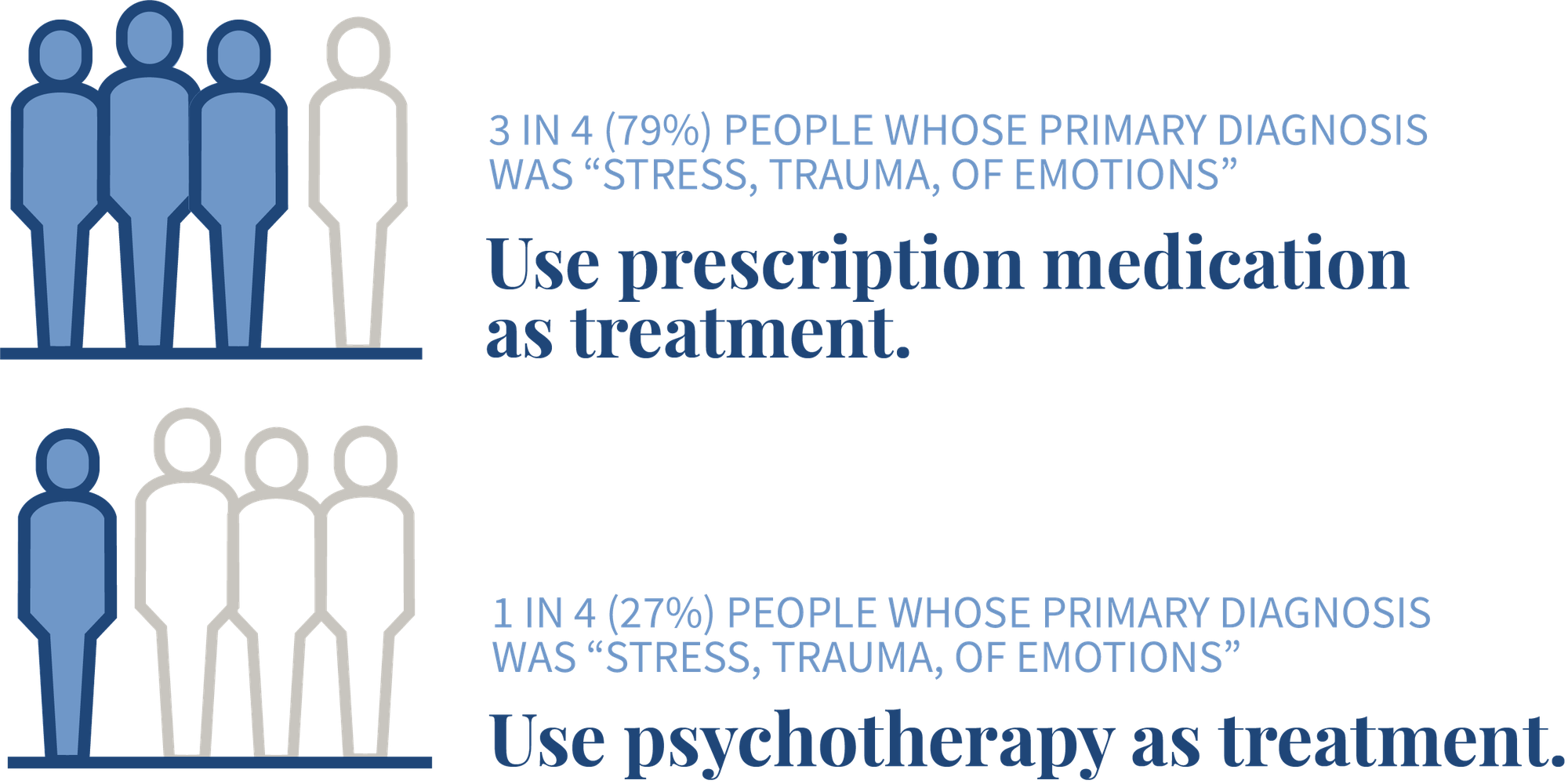
Among people whose primary diagnosis was stress, trauma, or emotions, 79% use prescription medication as treatment while 27% use psychotherapy

2026 ATNS national survey.

Explore the data

Every figure from the 2026 ATNS National Survey, plus what people told us in their own words. Select any chart to see it full size.

In their own words

What draws people to neuroplastic treatment, and what holds them back, grouped by theme from open-ended survey answers.

The likely neuroplastic group

Many figures below compare this group with everyone else. Here is who is in it.

The likely neuroplastic symptoms subgroup: people with no clear explanation for their pain or illness, or whose treatment is not working as expected (39% of U.S. adults).

All 2026 figures

Symptoms, treatment, and the ATNS self-assessment, from a national sample of U.S. adults.

About half of Americans with ongoing pain or illness think their symptoms could be at least somewhat neuroplastic.
About half of Americans with ongoing pain or illness are willing to try neuroplastic treatments.
Prescription medication is the most common treatment used for ongoing pain or illness (66%), followed by nutritional supplements (42%).
The likely neuroplastic subgroup tends to have more medical appointments per year for physical health.
In the likely neuroplastic subgroup, mental health appointments are only slightly more frequent, and most had none in the past year.
The number of adverse childhood experiences (ACE score) is higher in the likely neuroplastic subgroup.
The likely neuroplastic subgroup has higher ATNS self-assessment scores than everyone else.
Self-assessment scores from ATNS website visitors are much higher than the U.S. population.
Some specific self-assessment questions are strongly linked to much higher total scores.
Some pairs of self-assessment responses tend to occur together more often than others.
ATNS self-assessment scores are strongly correlated with ACE scores, inside and outside the likely neuroplastic subgroup.
ATNS self-assessment scores are higher among people who have misused opioids.

Full-resolution images for press and presentations. Please credit the 2026 ATNS National Survey.