
Migraines & Headaches
Causes, Treatment, and the Connection to Stress
If you live with chronic migraines or headaches, you’ve probably tracked triggers, tried the medications, and adjusted your life around the next attack, and still they keep coming. What few people are told is that persistent headaches and migraines are often neuroplastic, driven by a nervous system that has learned to stay on high alert rather than by damage in the brain. Because that pattern can be retrained, lasting relief is possible.
Medically Reviewed
David Schechter, MD
Family and Sports Medicine physician
Published by ATNS, a 501(c)(3) nonprofit led by volunteer clinicians.
Published August 2026 · Last updated August 2026.
Sources footnoted below.
Could your migraines be neuroplastic?
Take the 3-minute self-assessment. It’s free and private.
Hear from someone who recovered.
“From age 18 I believed this was hereditary, incurable, and that pain management was my only option. I believed that for 34 years. … I was in bed every other day at the height of it and couldn’t picture a future. Now everything is bright, and this isn’t a life sentence.”
— Karen Ash
Karen’s Story, Recovery from Decades of Migraines. Listen to the episode
What causes chronic migraines and headaches?
Migraines and chronic headaches involve real, often disabling pain, sometimes with nausea, light and sound sensitivity, and visual changes. A doctor should rule out other causes first. But for many people, once that’s done, the headaches continue with no structural explanation, and the standard treatments only go so far.
When headaches are frequent and persistent, the cause is often neuroplastic. The brain’s danger system, wound up by stress, emotion or life challenges, can generate headache pain as a learned response and keep the pathway switched on. The pain is real. It’s coming from an overactive nervous system, not from damage an MRI would show, and that can be retrained.
Can stress cause migraines and headaches?
Yes, and one everyday pattern shows it clearly: the weekend or “let-down” headache, the one that hits on your day off or the first day of vacation, after the stress lifts. That timing is a signature of a nervous system that has learned to produce headache pain. It doesn’t mean the pain is in your head. It means it’s neuroplastic, and treatable.
The symptoms
Neuroplastic migraines and headaches can show up as:
Frequent or chronic headaches that persist despite treatment.
Migraine pain, often with nausea, or sensitivity to light and sound.
“Let-down” or weekend headaches that arrive once stress eases.
Headaches that flare with stress, emotion, or life challenges.
Visual or sensory changes around the pain.
A telling sign it may be neuroplastic: headaches that track with stress, persist after a normal workup, and haven’t responded to treatments aimed at the body. A short self-assessment can help you tell.
Headaches often come with other symptoms.
Chronic headaches often do not travel alone. The same nervous-system pattern often brings spine pain, dizziness, fatigue, or other unexplained symptoms at the same time. If you have more than one, they may share a single, treatable cause.
There’s a better way to treat migraines and headaches.
Migraines and headaches are usually treated with medications, and these matter, especially for acute attacks and when a medical cause is found. When headaches are chronic and the workup is clear, treatment aimed at the nervous system can reach what medication alone cannot.
Neuroplastic recovery therapies retrain the brain’s headache response. Pain Reprocessing Therapy (PRT) lowers the threat the brain attaches to the sensation. Emotional Awareness and Expression Therapy (EAET) uncovers the stress and emotion that keep the pattern on. These work alongside medical care, not in place of it.
Can chronic migraines be cured?
For neuroplastic headaches and migraines, meaningful, lasting relief is a realistic goal, and many people see their headaches fade rather than needing to keep coping with them. Because the pattern is learned, it can be unlearned. It’s worth starting after a clinician has ruled out other causes.
Did you know?
35% of people with ongoing symptoms in the ATNS national survey reported headaches or migraines. (2025 ATNS national survey.)
About 1 in 3 adults experience neuroplastic symptoms of some kind. (ATNS national survey, 2025.)
Across chronic pain, most people improved substantially after neuroplastic recovery therapy. (Ashar et al., 2021 & 2025; Donnino et al., 2021. Yarns et al., 2024)
Migraine & headache recovery stories

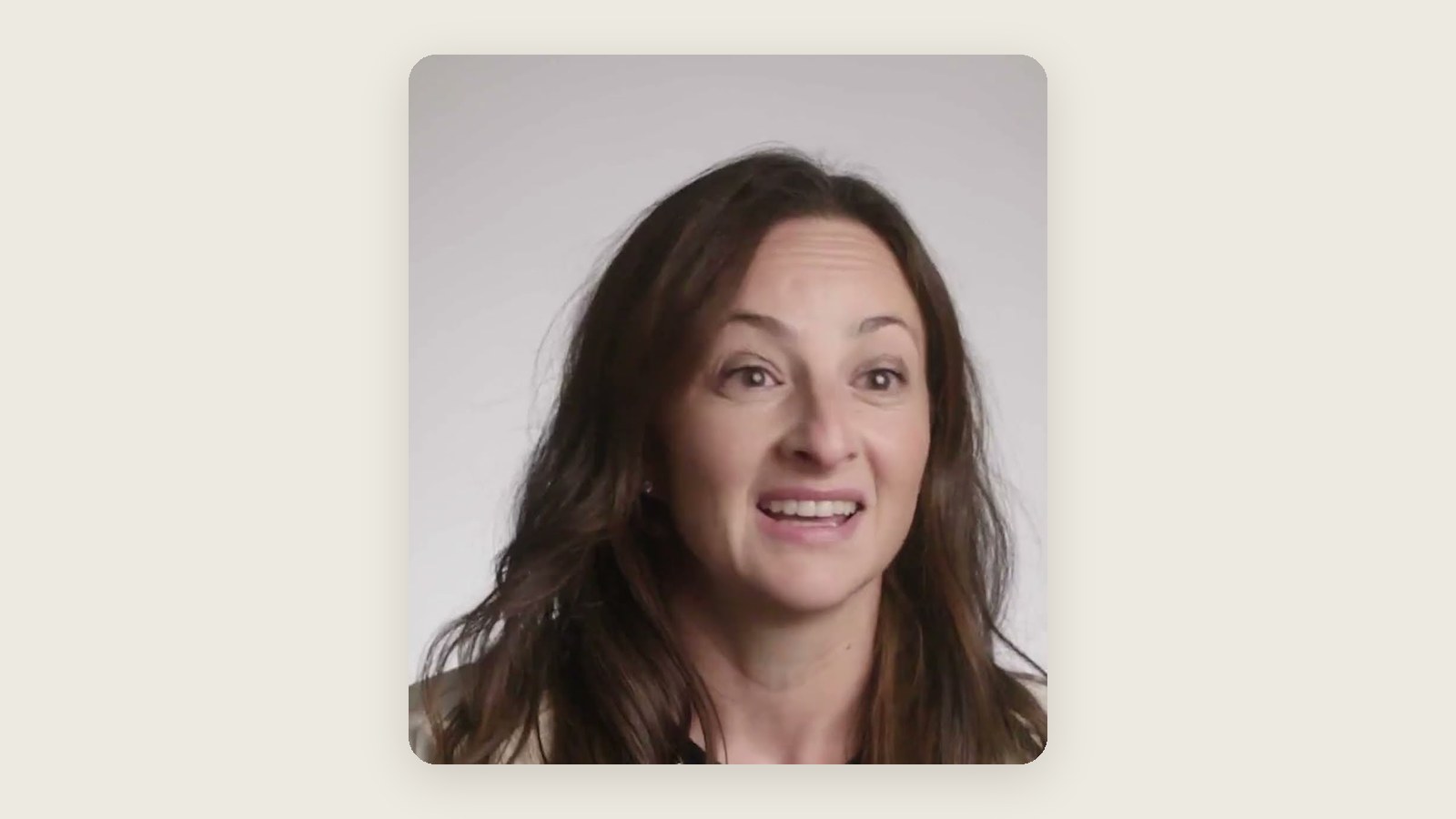

Episode 29: Steven’s Story, What would life be like without constant symptoms?
Other resources for migraines & headaches
Watch
This Might Hurt
A documentary following real patients, including people with migraine, through recovery.
Find your way forward.
Start on your own.
Free tools, books, and apps to begin at your own pace.
Get one-on-one help.
Find a practitioner or coach experienced in neuroplastic recovery.
Sources. 1. 2026 ATNS national survey (headache figure). 2. ATNS National Survey, 2025. 3. Ashar Y, et al. JAMA Psychiatry, 2021 & 2025. 4. Donnino M, et al. PAIN Reports, 2021.
